Achalasia Balloon Dilatation Treatment in Lahore
- Home
- Achalasia Balloon Dilatation
Clinical Overview
High-pressure pneumatic balloon dilatation for non-surgical relief of Achalasia Cardia and lower esophageal sphincter spasms.
Services
Get an Appointment
Schedule your diagnostic procedure or clinic visit directly with Dr. Muhammad Raza.
Achalasia Balloon Dilatation Treatment in Lahore
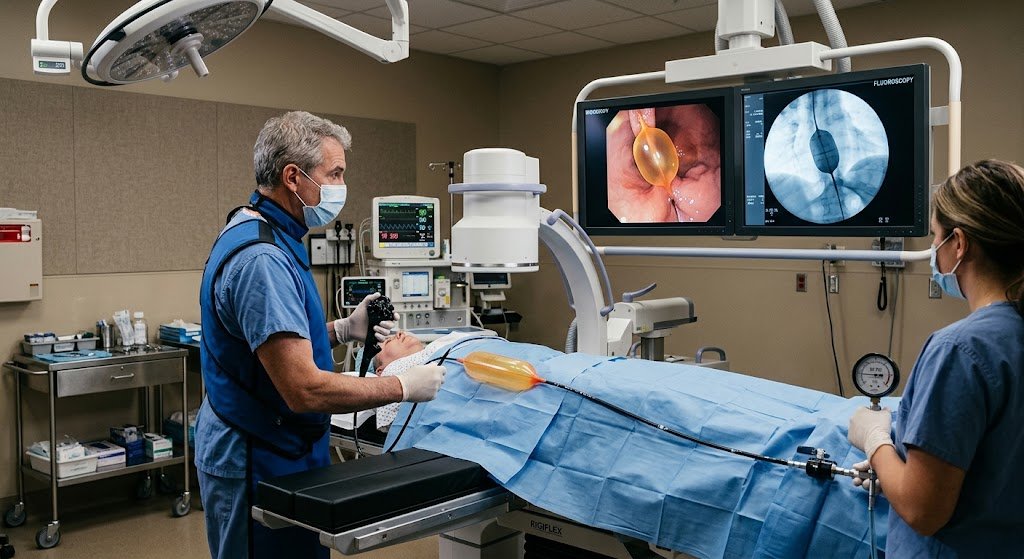
Achalasia Cardia is a primary motor disorder of the esophagus where the lower esophageal sphincter (LES) fails to relax, preventing food and fluids from entering the stomach. Dr. Muhammad Raza provides state-of-the-art pneumatic balloon dilatation in Lahore, offering rapid, non-surgical symptom relief.
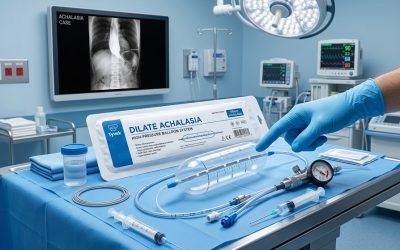
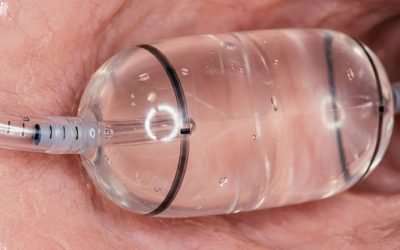
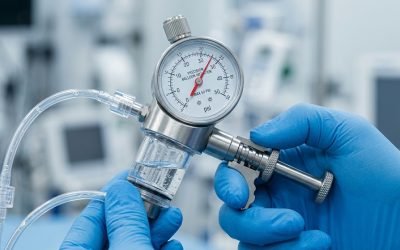
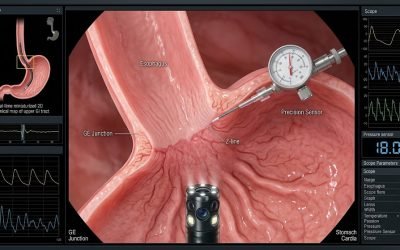

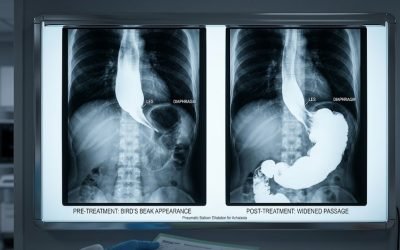
Pneumatic dilation remains the most effective non-surgical treatment for achalasia. Utilizing specialized high-pressure balloons positioned accurately across the gastroesophageal junction under endoscopic and fluoroscopic vision, the contracted muscle fibers are carefully stretched to restore normal food passage.
Restoring Natural Swallowing Dynamics
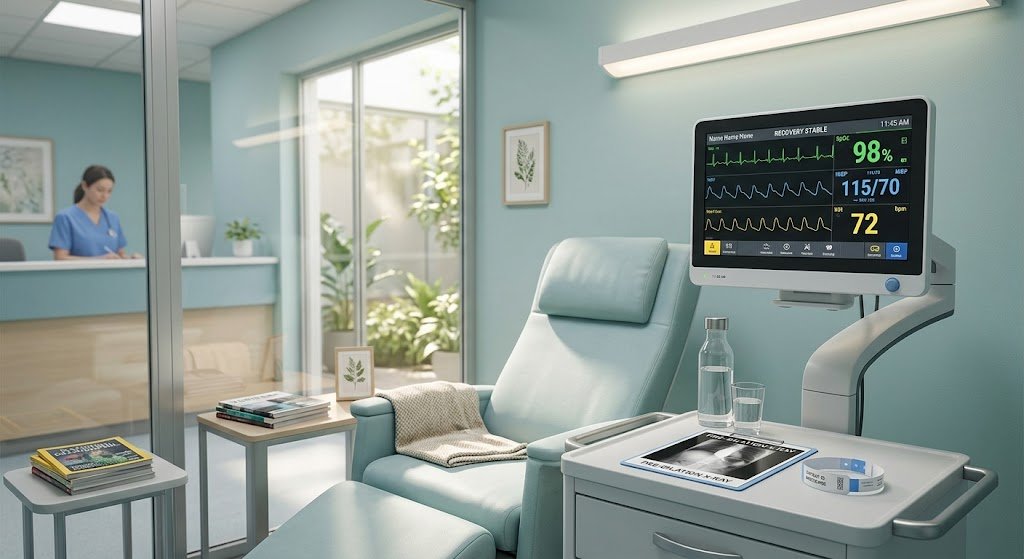
Patients suffering from regurgitation of undigested food, nocturnal coughing, significant weight loss, and retrosternal chest tightness experience dramatic clinical improvement shortly after pneumatic dilatation, avoiding major thoracic surgery.
Specialized Achalasia Treatment Jail Road, Lahore
Jail Rd, G.O.R. - I, Lahore, 54000, Pakistan
- Location
- Phone number
Frequently Asked Questions
A specialized large-diameter balloon is inflated across the tight lower esophageal valve to tear some of the spastic muscle fibers, allowing food to drop easily into the stomach.
Pneumatic dilatation is a proven, highly successful, minimally invasive outpatient alternative that avoids the incision, pain, and long recovery of surgical myotomy.
Patients rest in our observation unit for a few hours and can generally resume light, soft oral intake within 24 to 48 hours.
The majority of patients experience symptom resolution for several years. If tightness recurs over time, a repeat dilatation or medical reassessment can be safely performed.
You will be monitored in our day care unit for a few hours, undergo a water-soluble check if indicated, and usually be discharged home the same day.