Endoscopic Variceal Band Ligation (EVBL) in Lahore
- Home
- EVBL
Clinical Overview
Life-saving endoscopic band ligation procedures for the prevention and treatment of bleeding esophageal varices.
Services
Get an Appointment
Schedule your diagnostic procedure or clinic visit directly with Dr. Muhammad Raza.
Endoscopic Variceal Band Ligation (EVBL) in Lahore
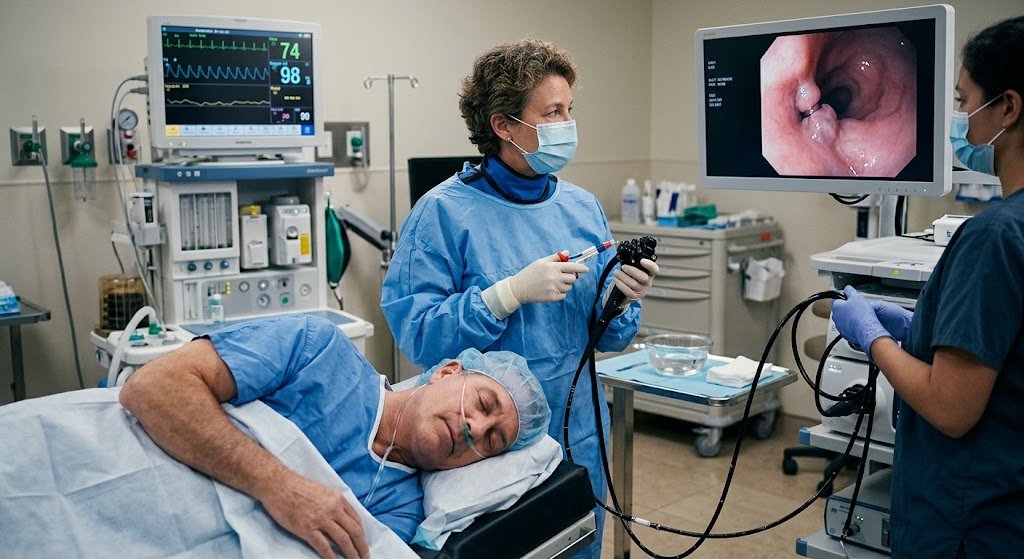
Endoscopic Variceal Band Ligation (EVBL) is a life-saving therapeutic procedure performed to manage enlarged veins (varices) in the esophagus, predominantly caused by portal hypertension and liver cirrhosis. Dr. Muhammad Raza possesses extensive clinical mastery in managing acute gastrointestinal emergencies and secondary prophylaxis through rapid, precise band ligation.
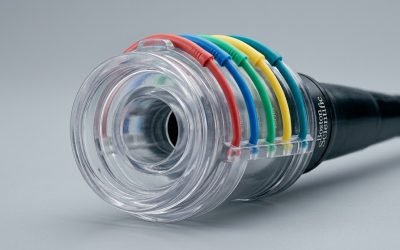
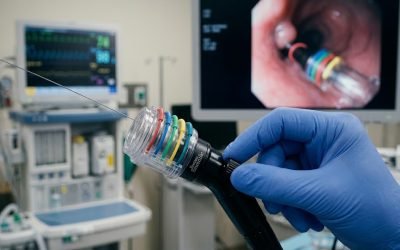
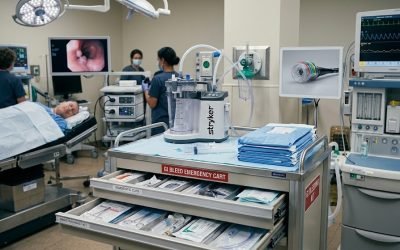
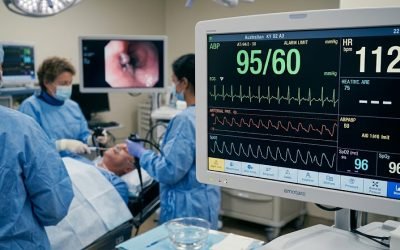
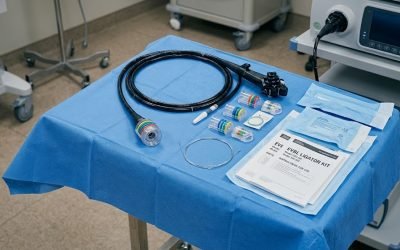
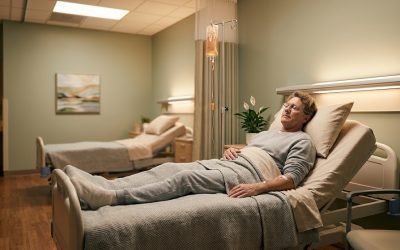
During EVBL, small elastic bands are deployed around enlarged variceal cords to cut off their blood supply, causing them to obliterate and scar down safely. This dramatically eliminates the risk of life-threatening internal hematemesis (vomiting blood) in patients suffering from chronic liver disease.
Comprehensive Portal Hypertension & Liver Management
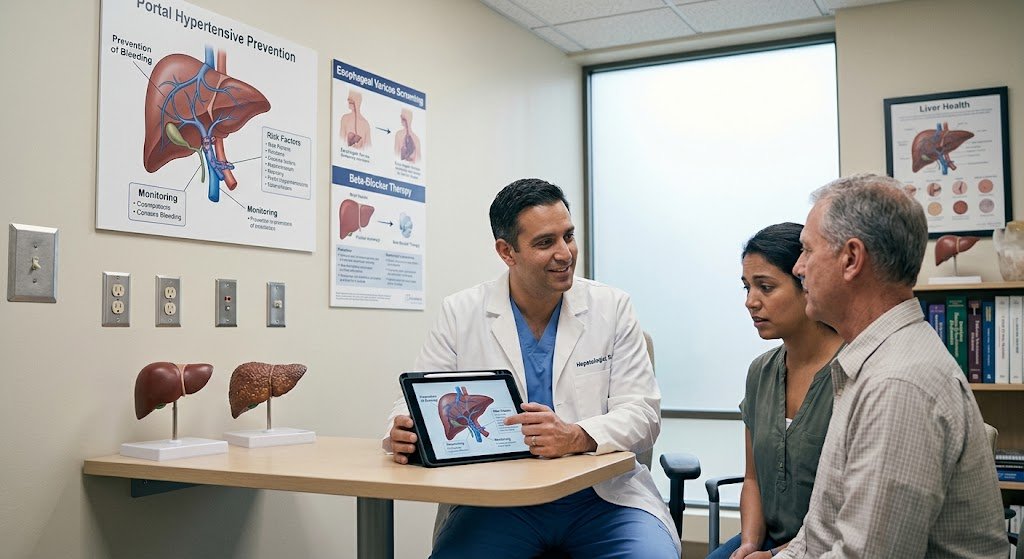
Routine surveillance and scheduled sequential EVBL sessions allow effective eradication of high-risk varices. Integrated with modern hepatology care, dietary counsel, and medical therapy, Dr. Raza provides end-to-end protective clinical management.
Emergency & Elective EVBL Center on Jail Road, Lahore
Jail Rd, G.O.R. - I, Lahore, 54000, Pakistan
- Location
- Phone number
Frequently Asked Questions
Liver cirrhosis causes portal hypertension, swelling veins in the esophagus into fragile "varices." EVBL applies tiny elastic bands to ligate these veins before they can burst and cause dangerous internal bleeding.
Eradication typically requires 2 to 4 sessions, spaced 2 to 4 weeks apart, followed by routine surveillance every 6 to 12 months.
Patients feel no sharp pain, although a mild sense of tightness, chest discomfort, or mild difficulty swallowing may persist for 24 to 48 hours following band placement.
You must maintain a smooth, cool liquid diet for the first 24 hours, followed by soft, non-abrasive foods for 3 to 4 days to allow the banded tissues to heal safely.
Avoid strenuous physical lifting and hard, crunchy foods. If you experience severe chest pain, fever, or black stools, contact our clinic team immediately.