Endoscopic Injection Sclerotherapy in Lahore
- Home
- Injection Sclerotherapy
Clinical Overview
Rapid endoscopic hemostatic therapy for acute bleeding ulcers, vascular malformations, and lesions.
Services
Get an Appointment
Schedule your diagnostic procedure or clinic visit directly with Dr. Muhammad Raza.
Endoscopic Injection Sclerotherapy in Jail Road, Lahore
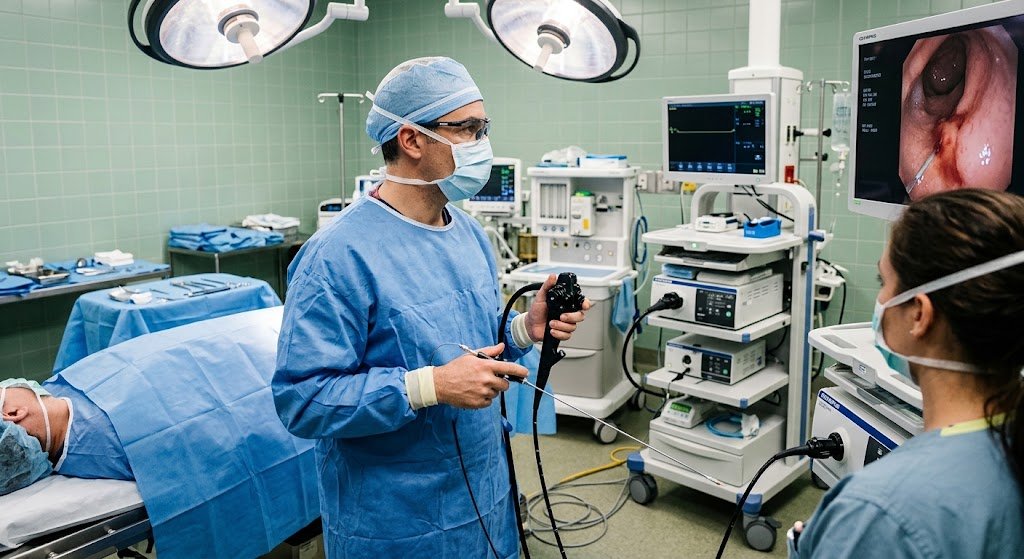 therapeutic endoscopy on a draped patient in an operating room, while an assistant watches a monitor showing the live endoscopic view of esophageal tissue." srcset="https://bestgastroenterologist.org/wp-content/uploads/2026/09/8a5a5f7a-b21d-41ef-b956-4b7bb25ba233.jpg 1024w, https://bestgastroenterologist.org/wp-content/uploads/2026/09/8a5a5f7a-b21d-41ef-b956-4b7bb25ba233-300x164.jpg 300w, https://bestgastroenterologist.org/wp-content/uploads/2026/09/8a5a5f7a-b21d-41ef-b956-4b7bb25ba233-768x419.jpg 768w" sizes="(max-width: 1024px) 100vw, 1024px" />
 Endoscopic Injection Sclerotherapy is an emergency and elective therapeutic procedure used to arrest internal bleeding within the gastrointestinal tract. Dr. Muhammad Raza is highly skilled in administering precision targeted injections to stop hemorrhage from peptic ulcers, Mallory-Weiss tears, dieulafoy lesions, and gastric varices.
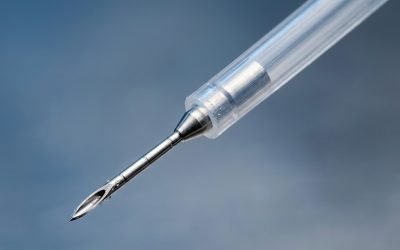
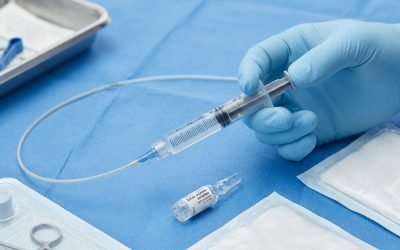
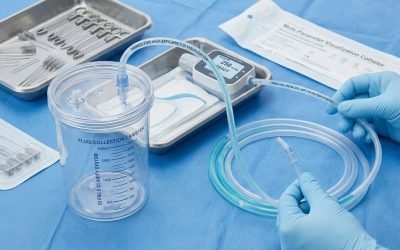

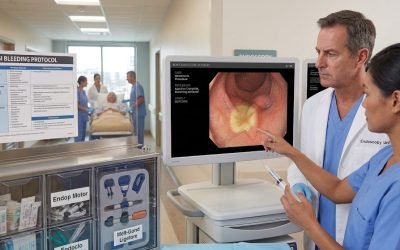
Through an endoscopic injector catheter, sclerosing agents or diluted epinephrine solutions are injected directly around the bleeding vessel. This causes localized vasoconstriction, platelet aggregation, and thrombosis, effectively halting acute blood loss without emergency surgical intervention.
Hemostatic Control & GI Bleeding Management

Rapid endoscopic diagnosis and immediate hemostatic control in our fully equipped suite reduce the need for blood transfusions and intensive care stays, ensuring immediate stabilization for patients suffering from acute GI bleeds.
Emergency Gastrointestinal Hemostasis on Jail Road, Lahore
Jail Rd, G.O.R. - I, Lahore, 54000, Pakistan
- Location
- Phone number
Frequently Asked Questions
It is primarily indicated for patients presenting with active internal gastrointestinal bleeding, blood in vomit (hematemesis), or black tarry stools (melena) caused by ulcers or vascular lesions.
Yes, Dr. Raza often combines injection therapy with hemoclips (metallic clips) or thermal coagulation for dual, long-lasting hemostatic safety.
Patients are kept under close observation, started on intravenous acid suppression therapy, and gently reintroduced to liquids once complete hemostasis is verified.
Yes. Dr. Muhammad Raza frequently employs dual therapy—combining sclerotherapy injections with hemoclips (metal clips) or heat probes—for optimum re-bleeding prevention.
Patients receive high-dose intravenous acid suppressants (PPIs), close clinical observation, and clear instructions on safe dietary progression.