Best
Gastroenterologist
A gastrointestinal polyp is a cluster of cells that forms a small lump on the mucosal lining — most commonly in the colon and rectum, occasionally in the stomach or duodenum. Polyps vary in size from a few millimeters to several centimeters, and in shape from flat patches to mushroom-like growths on a stalk.
There are several types. Hyperplastic polyps are almost always benign. Adenomatous polyps (adenomas) are the important ones — they are precancerous, meaning they can develop into colorectal cancer over 5–10 years if left in place. Sessile serrated polyps are a flatter type that also carries malignant potential. It is impossible to tell the type reliably by appearance alone, which is why every removed polyp is sent for histopathological examination.
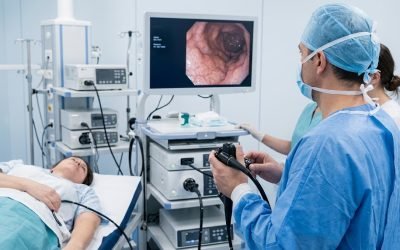
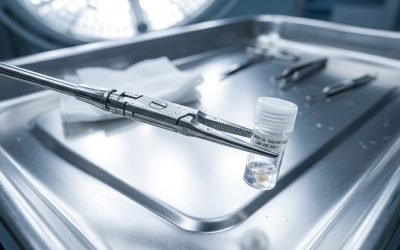
Polypectomy — the medical term for polyp removal — is a therapeutic endoscopic procedure. Using the colonoscope, the doctor loops a thin wire snare around the polyp, applies a controlled electrical current (for larger polyps) or a cold cutting technique (for small polyps), and lifts it away cleanly. The base is inspected to ensure complete removal, the polyp is retrieved, and the patient typically goes home the same day.
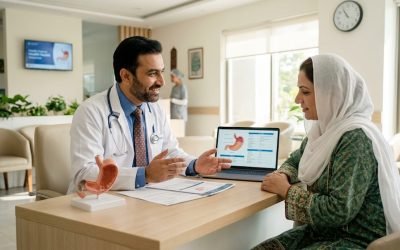
Schedule your diagnostic procedure or clinic visit directly with Dr. Muhammad Raza.
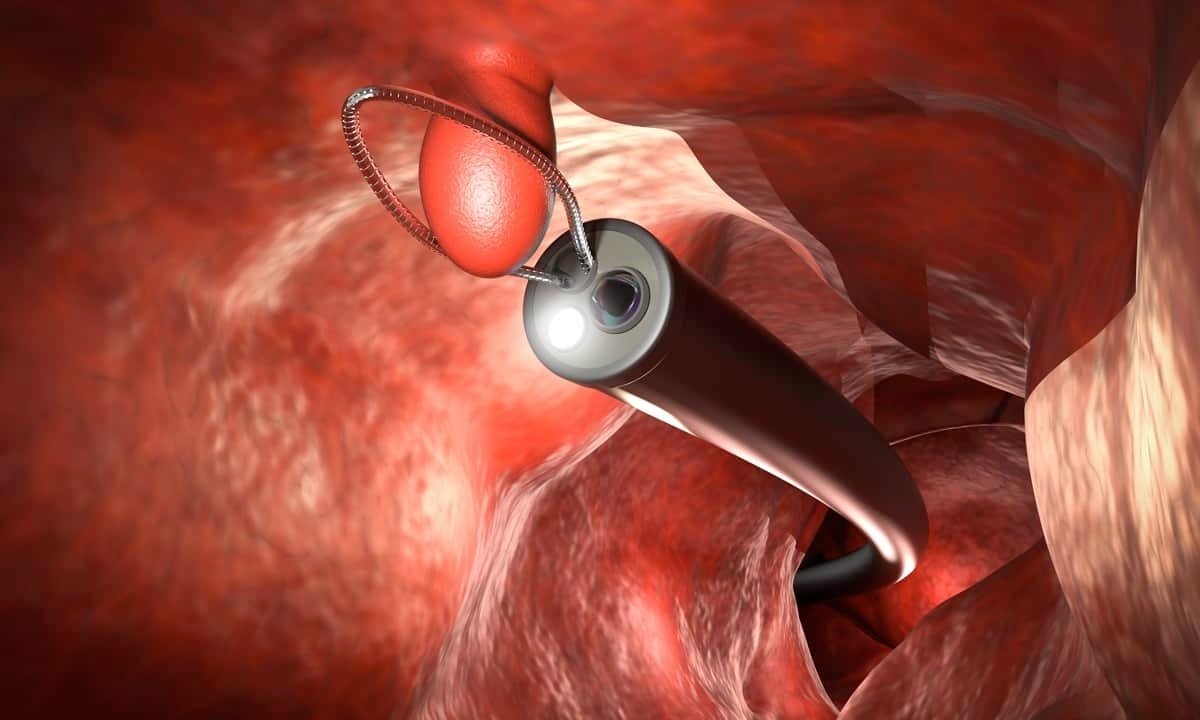
A polyp is a small growth on the inner lining of the colon or stomach. Most polyps are harmless, but some types — called adenomas — can slowly turn into cancer over several years. The good news is that removing a polyp completely eliminates that risk. Polyp removal (polypectomy) is performed during a colonoscopy or upper endoscopy: the doctor finds the polyp, removes it through the endoscope, and sends it to the laboratory — all in a single, painless session. At the Gastro & Liver Care Clinic by Dr. Muhammad Raza in Lahore, polyp removal is performed with advanced snare techniques and complete histopathological follow-up.
Colorectal cancer is one of the most preventable cancers in the world — precisely because polyps can be found and removed before they ever become malignant. In Pakistan, where routine screening colonoscopy is still uncommon, many polyps are discovered when patients come in with symptoms like blood in the stool or unexplained anemia. Whenever a polyp is found, removing it promptly is one of the highest-value interventions in all of medicine.
Polyp removal is recommended whenever a polyp is detected. You may need a colonoscopy with possible polypectomy if you have:
Many polyps cause no symptoms at all, which is why screening matters. A 15-minute colonoscopy can find and remove a precancerous polyp that would otherwise have become a cancer years later.
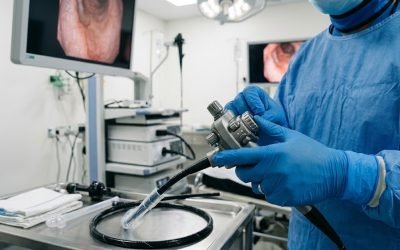
Polyp removal happens during your colonoscopy (or upper endoscopy for stomach polyps). Here is exactly what takes place:
1. Preparation. You follow a bowel preparation the day before — a cleansing solution that empties the colon so the lining is clearly visible. Clear instructions in Urdu/English are provided, and our team guides you through it by phone if needed.
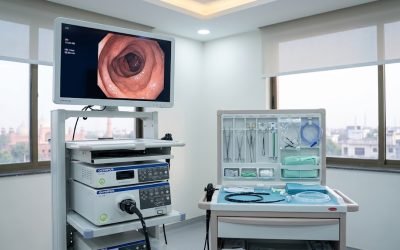
2. Sedation and examination. Under comfortable conscious sedation, Dr. Raza advances the colonoscope through the entire colon, carefully inspecting the lining on a high-definition monitor.
3. Polyp assessment. Each polyp’s size, shape, and surface pattern are assessed. Small polyps (under 10 mm) are usually removed with a cold snare — no electrical current, minimal risk. Larger polyps are removed with a hot snare using controlled electrocautery that cuts and seals blood vessels simultaneously.
4. The removal. The wire snare is looped around the polyp’s base and closed. The polyp separates cleanly. For flat or larger lesions, a technique called EMR (endoscopic mucosal resection) may be used — fluid is injected under the polyp to lift it safely away from deeper layers before removal.
5. Securing the site. The base is inspected. If needed, tiny hemoclips are placed to prevent delayed bleeding. The area is photographed for your medical record.
6. Retrieval and laboratory. The polyp is captured in a retrieval net, collected, and sent to the histopathology laboratory. You receive the laboratory report within 3–7 days, along with your personalized surveillance plan (when to repeat colonoscopy based on the polyp type and number).
Removing polyps is among the most effective cancer-prevention measures in medicine:
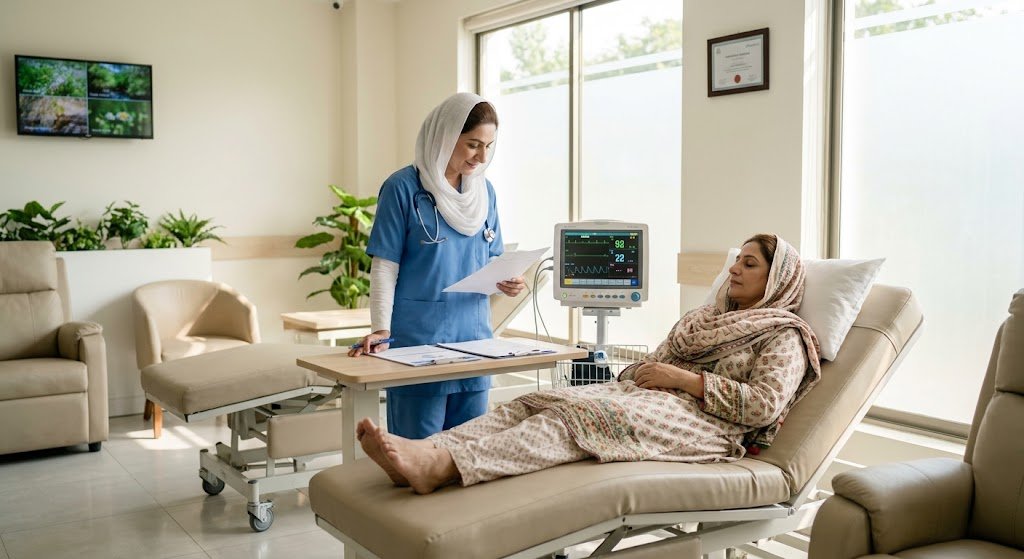
Recovery is straightforward. You may feel mild bloating from the air used during colonoscopy, which passes quickly. For 5–7 days after removal of larger polyps, avoid blood thinners (as advised by your doctor), strenuous exercise, and NSAID painkillers. A small risk of delayed bleeding exists within the first two weeks — Dr. Raza will tell you exactly which warning signs (such as fresh rectal bleeding) should bring you back promptly.
Dr. Muhammad Raza, Consultant Gastroenterologist & Hepatologist, combines careful detection with complete, safe polyp removal — including advanced techniques for larger and flat lesions. At the Gastro & Liver Care Clinic by Dr. Muhammad Raza (Jail Rd, G.O.R.-I, Lahore), every polyp is retrieved, every specimen reaches the laboratory, and every patient receives a written surveillance plan based on international guidelines.
Clinic hours: Monday to Saturday, 11:00 AM – 6:00 PM (Sunday closed). Phone/WhatsApp: 0300-1601390. Consultation fee: Rs. 2,000.
No. The colon's inner lining has no pain sensors, and you are sedated during the colonoscopy. Patients feel nothing during the removal and typically report no pain afterward — at most mild bloating that resolves within hours.
The colonoscopy itself takes 15–30 minutes. Removing each polyp adds only a few minutes. Including preparation and recovery, plan for about half a day at the clinic, most of which is rest time.
It is sent to a histopathology laboratory where a pathologist examines it under the microscope. The report — ready in 3–7 days — tells us the exact type (hyperplastic, adenoma, serrated) and whether removal was complete. This determines when your next colonoscopy should be.
It depends on the findings. If no polyps or only small benign ones are found, 5–10 years. With adenomas, typically 3 years; with high-risk features, sooner. Dr. Raza will give you a precise, guideline-based interval — never a guess.
The removed polyp itself does not grow back, but new polyps can form over time — which is exactly why surveillance colonoscopy matters. Regular follow-up catches any new polyps while they are still small and easily removable.
For the first 24 hours, eat light and soft foods. After that, resume your normal diet unless advised otherwise. If a large polyp was removed, we may advise avoiding seeds, nuts, and blood-thinning medications for about a week. You will receive written instructions specific to your case.
Access expert consultations and advanced diagnostic endoscopy services tailored for optimal gut health.
Experiencing severe abdominal pain or GI distress? Connect with Dr. Muhammad Raza’s clinical team for prompt medical assistance.

Consultant Gastroenterologist & Hepatologist dedicated to providing compassionate, evidence-based care for complex digestive and liver conditions across Pakistan.
Copyright © 2026 Dr. Muhammad Raza. All Rights Reserved.