Best
Gastroenterologist
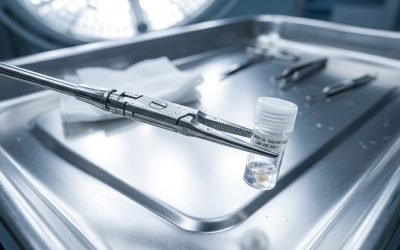
A gastrointestinal biopsy is a tissue sample, typically 2–3 millimeters in size, collected from the lining of the esophagus, stomach, duodenum, or colon using miniature forceps passed through the endoscope. Because the inner lining of the digestive tract has no pain receptors, collecting the sample is completely painless — you will not feel it happening.
Once collected, the tissue is preserved in a special solution and sent to a histopathology laboratory, where a pathologist examines thin slices under a microscope. The laboratory report — usually available within 3 to 7 days — describes exactly what the tissue shows: inflammation, infection (such as H. pylori), abnormal immune reactions (celiac disease), precancerous changes (dysplasia), or cancer.
Biopsies are not only diagnostic. They also guide treatment decisions: the grade of inflammation in ulcerative colitis, the presence of H. pylori in a gastric ulcer, or the type of a polyp all determine which medicines, procedures, or follow-up schedules you need. In short, the biopsy converts a visual suspicion into a confirmed diagnosis.
Schedule your diagnostic procedure or clinic visit directly with Dr. Muhammad Raza.
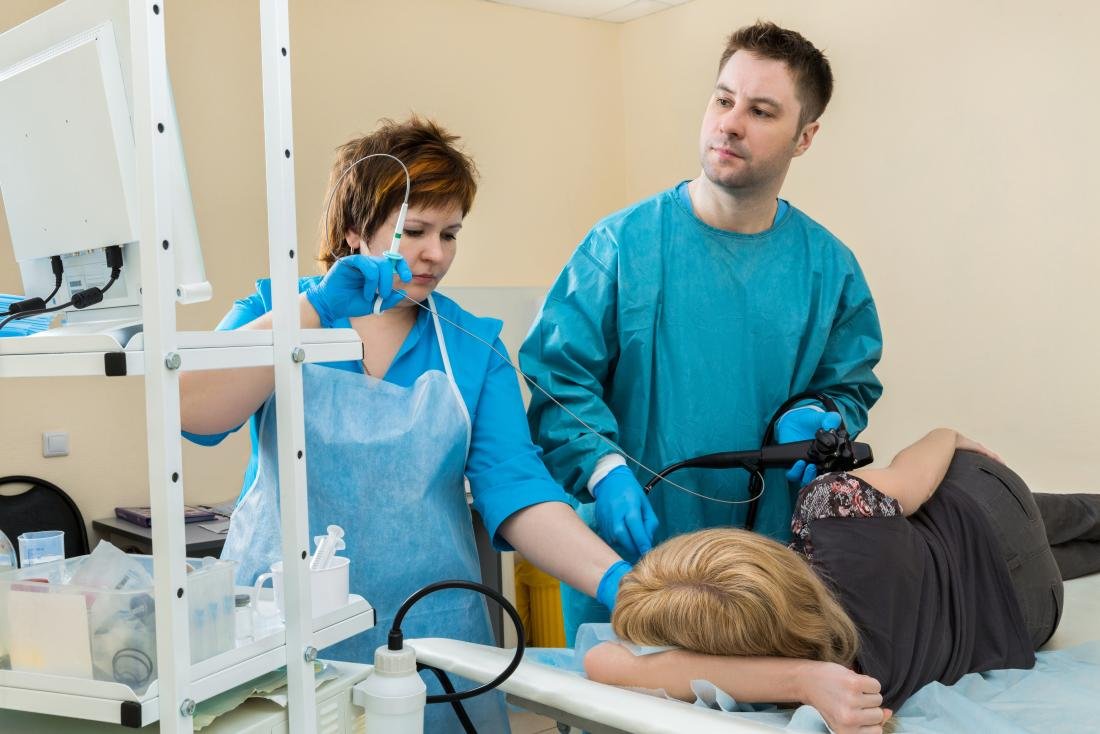
A biopsy is one of the most important tools in modern gastroenterology. It is the painless collection of a tiny piece of tissue from the digestive tract — usually during an endoscopy or colonoscopy — so it can be examined under a microscope in a laboratory. What the eye sees through the endoscope tells only part of the story; a biopsy gives the definitive answer. At the Gastro & Liver Care Clinic by Dr. Muhammad Raza in Lahore, biopsies are taken with precision, strict sterile technique, and complete patient comfort.
Many patients in Pakistan worry unnecessarily about biopsies — fearing pain, or believing the myth that ‘taking a sample spreads the disease.’ The truth is the opposite: a biopsy is quick, painless, and it is the only way to confirm conditions like H. pylori infection, celiac disease, inflammatory bowel disease, Barrett’s esophagus, and early cancers. An accurate biopsy today means the right treatment tomorrow.
Dr. Raza may recommend a biopsy during your endoscopy or colonoscopy in these situations:
Importantly, a biopsy is also taken when everything looks almost normal but symptoms persist — microscopic diseases like microscopic colitis or early celiac disease can only be detected under the microscope, not by the endoscope camera alone.
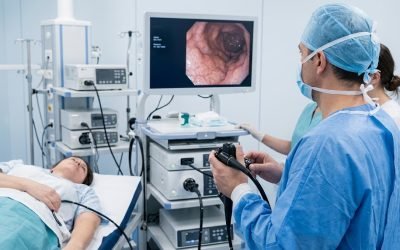
A GI biopsy is performed during your endoscopy or colonoscopy — there is no separate procedure, no additional incision, and no extra appointment:
1. The endoscopic examination. You are comfortably sedated while Dr. Raza examines the digestive tract with the video endoscope, exactly as in a routine procedure.
2. Target identification. Any area that looks abnormal — redness, ulceration, swelling, a polyp, or unusual texture — is identified. In some conditions (like celiac disease), samples are taken from standard locations even if the lining looks normal, because microscopic damage may be invisible.
3. Sample collection. Tiny biopsy forceps are passed through the endoscope’s channel. With a quick, precise motion, a 2–3 mm pinch of tissue is collected. Several samples are usually taken from different spots to make the diagnosis reliable. You feel nothing — the digestive lining has no pain sensors.
4. Safe handling. Each sample is placed in a labeled container with preservative fluid. The containers are sealed, documented, and transported to an accredited histopathology laboratory the same day.
5. Laboratory analysis. A pathologist prepares microscopic slides and examines the tissue architecture and cells. Special stains may be used — for example, to highlight H. pylori bacteria or to characterize inflammation.
6. Your report and plan. Dr. Raza receives the histopathology report within 3–7 days, explains it to you in plain language, and finalizes your treatment plan based on the confirmed diagnosis.
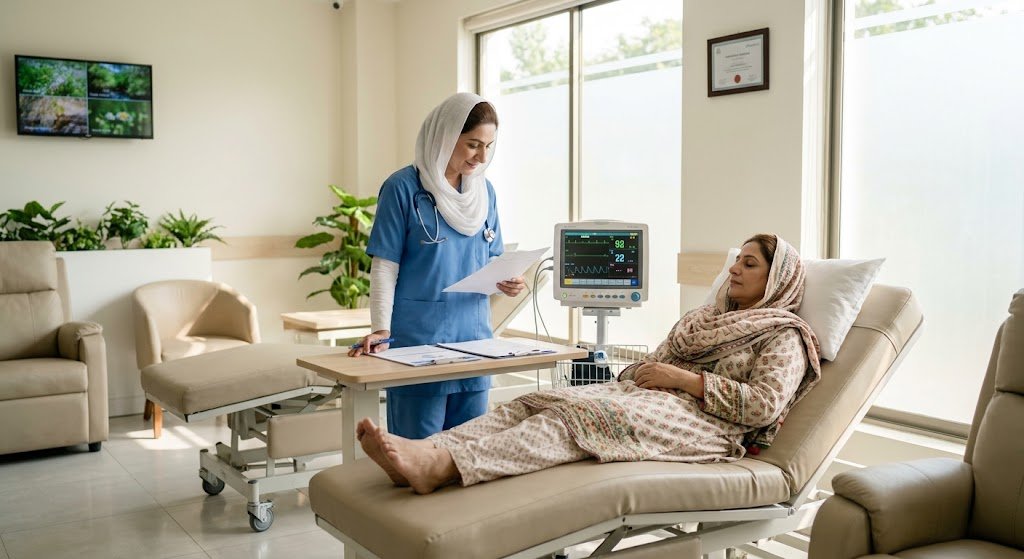
Because a biopsy is done during an endoscopy you are already having, it adds significant diagnostic value with essentially no additional burden:
After the procedure, there are no special restrictions because of the biopsy itself. You may notice no difference at all. Dr. Raza will contact you with the laboratory result and explain the next steps — whether that means starting medication, adjusting your diet, or scheduling surveillance.
Dr. Muhammad Raza, Consultant Gastroenterologist & Hepatologist, performs endoscopic biopsies with meticulous technique — taking samples from exactly the right locations, in the right number, with proper handling that preserves tissue quality for the pathologist. At the Gastro & Liver Care Clinic by Dr. Muhammad Raza (Jail Rd, G.O.R.-I, Lahore), every biopsy is sent to a trusted histopathology laboratory, and every report is personally reviewed and explained to you.
Clinic hours: Monday to Saturday, 11:00 AM – 6:00 PM (Sunday closed). Phone/WhatsApp: 0300-1601390. Consultation fee: Rs. 2,000.
Not at all. The inner lining of the stomach and intestines has no pain receptors, so you cannot feel the tiny pinch of tissue being taken. You are also sedated during the procedure, and most patients are surprised to learn samples were taken.
It depends on the condition. For H. pylori testing, 2–4 samples from the stomach are typical; for celiac disease, 4–6 from the duodenum; for IBD evaluation, multiple samples from different parts of the colon. Taking several samples makes the diagnosis more reliable.
Histopathology reports are usually ready within 3 to 7 working days. Dr. Raza will inform you as soon as your result arrives and explain what it means for your treatment.
No — this is a common myth with no scientific basis. Taking a tiny tissue sample does not cause cancer to spread. In fact, a biopsy is how early cancers are caught when they are most curable. Avoiding a biopsy out of this fear only delays diagnosis.
A normal biopsy is useful information — it rules out several serious conditions. Dr. Raza will then consider functional disorders (like IBS), review your medications and diet, and may recommend additional tests such as H. pylori breath testing, food intolerance evaluation, or motility studies.
Sometimes. Conditions like Barrett's esophagus, celiac disease (to confirm healing), and IBD (to assess treatment response) require surveillance biopsies at intervals. Dr. Raza will give you a clear schedule only if it is medically necessary.
Access expert consultations and advanced diagnostic endoscopy services tailored for optimal gut health.
Experiencing severe abdominal pain or GI distress? Connect with Dr. Muhammad Raza’s clinical team for prompt medical assistance.

Consultant Gastroenterologist & Hepatologist dedicated to providing compassionate, evidence-based care for complex digestive and liver conditions across Pakistan.
Copyright © 2026 Dr. Muhammad Raza. All Rights Reserved.