Best
Gastroenterologist
An emergency endoscopy uses the same thin, flexible video endoscope as a routine upper GI endoscopy, but it is performed on an urgent basis for conditions that cannot wait. The most common emergency is acute upper gastrointestinal bleeding, which affects thousands of patients in Pakistan every year. Common causes include bleeding stomach or duodenal ulcers (often linked to painkillers/NSAIDs), bleeding esophageal varices in patients with liver cirrhosis, Mallory-Weiss tears from forceful vomiting, and erosive gastritis.
Other emergencies handled with urgent endoscopy include food or foreign body impaction in the esophagus (when food or an object gets stuck and the patient cannot swallow even saliva), severe swallowing obstruction, and bleeding after a previous endoscopic procedure. In Pakistan, where hepatitis B and C related liver cirrhosis is common, variceal bleeding is a particularly frequent and dangerous emergency — and emergency endoscopy with band ligation is the definitive treatment.
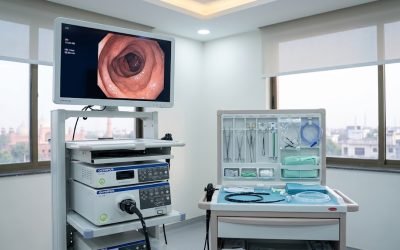
The key advantage of emergency endoscopy is that diagnosis and therapy happen together. Instead of waiting for scans or trial medications while bleeding continues, the doctor directly visualizes the bleeding point and stops it — with injections, clips, heat therapy, or rubber bands — all through the endoscope, without any surgical incision.
Schedule your diagnostic procedure or clinic visit directly with Dr. Muhammad Raza.
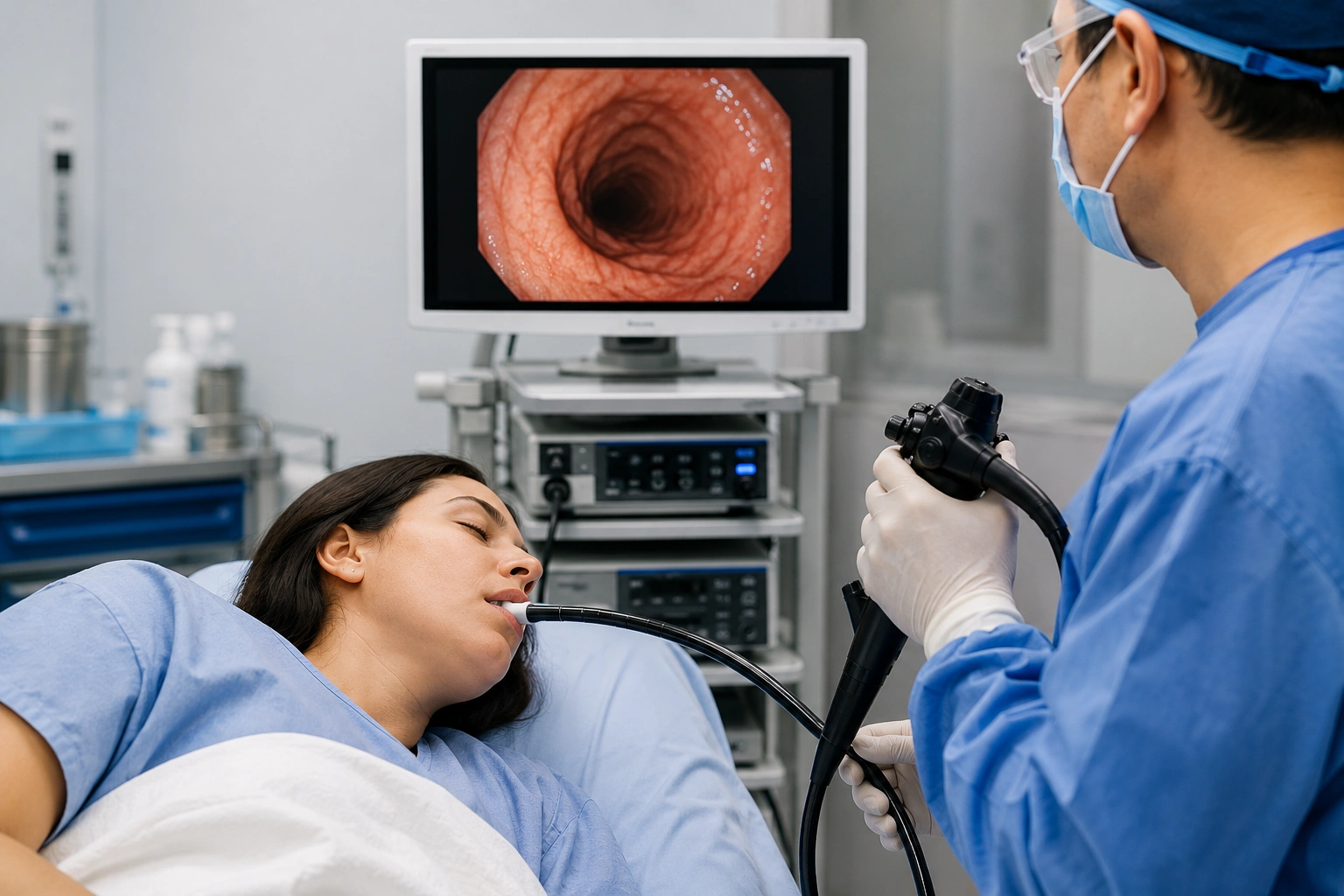
When a gastrointestinal emergency strikes — vomiting blood, black tarry stools, or food stuck in the throat — every minute matters. Emergency endoscopy is a life-saving procedure that allows a gastroenterologist to see inside the digestive tract immediately, find the exact source of the problem, and treat it in the same session. At the Gastro & Liver Care Clinic by Dr. Muhammad Raza in Lahore, emergency endoscopy is performed with urgency, precision, and complete patient safety.
Unlike a routine planned endoscopy, an emergency endoscopy is performed within hours of the problem arising — often the same day. It serves two purposes at once: it diagnoses the cause of the emergency and delivers treatment immediately, which is why it is considered the gold standard for managing acute upper gastrointestinal bleeding and esophageal emergencies worldwide.
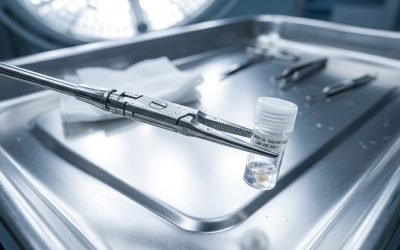
Seek emergency endoscopic care immediately if you experience any of the following:
Do not wait to ‘see if it stops on its own.’ Gastrointestinal bleeding can restart suddenly and become life-threatening. If you notice these symptoms, call 0300-1601390 immediately or reach the nearest emergency facility — early endoscopy (ideally within 24 hours, sooner for severe bleeding) dramatically improves outcomes.
An emergency endoscopy follows a rapid, well-organized protocol designed for speed without compromising safety:
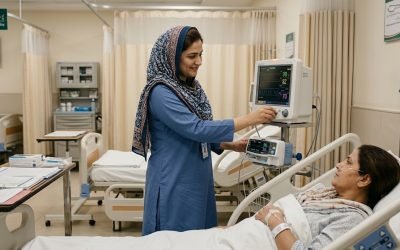
1. Immediate assessment and stabilization. On arrival, your vital signs are checked and an IV line is started. If there has been significant blood loss, IV fluids are given and blood may be arranged. Basic blood tests (hemoglobin, blood group, clotting profile) are done urgently.
2. Preparation. Unlike routine endoscopy, prolonged fasting is not always possible in an emergency. The stomach is suctioned clear through the endoscope itself, and precautions are taken to protect the airway. You will be asked about medications, especially blood thinners, diabetes medicines, and allergies.
3. Sedation. You receive gentle conscious sedation or monitored anesthesia so you are comfortable and unaware during the procedure. Your oxygen levels and heart rhythm are monitored throughout.
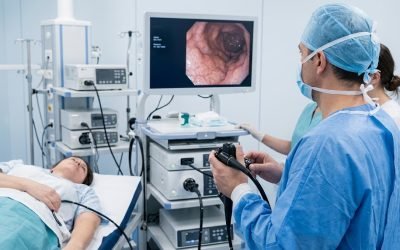
4. The examination. Dr. Raza gently passes the thin endoscope through the mouth into the esophagus, stomach, and duodenum. The high-definition camera shows the exact bleeding point or obstruction on a monitor.
5. Immediate treatment. Once the source is found, treatment is delivered through the endoscope in the same session: Injection therapy — adrenaline or sclerosant injected around a bleeding ulcer; Thermal therapy — heat probe or argon plasma coagulation to seal bleeding vessels; Hemoclips — tiny metal clips that pinch the bleeding vessel shut; Band ligation — rubber bands placed over bleeding esophageal varices (the standard treatment for variceal bleeding); Foreign body retrieval — snares, baskets, or nets to remove stuck food or objects.
6. Recovery and observation. After the procedure, you rest under observation for a few hours. Depending on the cause and severity, you may go home the same day or be admitted for 24–48 hours of monitoring.
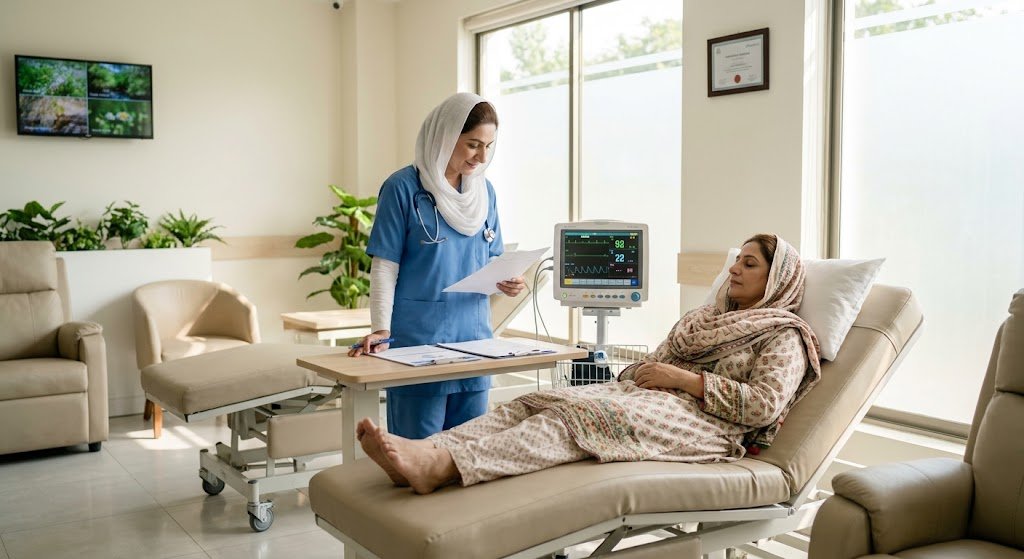
The benefits of emergency endoscopy over older approaches are decisive:
Recovery depends on the cause. After ulcer bleeding treatment, you will receive acid-suppressing medication and a soft diet for a few days. After variceal band ligation, a liquid-to-soft diet is advised for 24–48 hours. Dr. Raza will schedule a follow-up endoscopy where needed — for example, to check ulcer healing or to complete variceal eradication sessions. You will also receive clear guidance on medications to avoid (NSAIDs, aspirin unless prescribed) and warning signs that should bring you back immediately.
Dr. Muhammad Raza is a Consultant Gastroenterologist & Hepatologist in Lahore with extensive experience in both diagnostic and therapeutic endoscopy, including emergency bleeding control and variceal band ligation. At the Gastro & Liver Care Clinic by Dr. Muhammad Raza (Jail Rd, G.O.R.-I, Lahore), emergency cases are prioritized — because in GI bleeding, timing is treatment.
Clinic hours: Monday to Saturday, 11:00 AM – 6:00 PM (Sunday closed). For emergencies, call 0300-1601390 immediately. Consultation fee: Rs. 2,000.
Very quickly. Call 0300-1601390 as soon as symptoms appear. Stable patients are scoped the same day or within 24 hours; patients with severe or ongoing bleeding are taken up as soon as they are stabilized. Early endoscopy is proven to improve outcomes and shorten hospital stay.
Yes — in fact, it is the safest and most effective way to manage active bleeding. Delaying endoscopy while bleeding continues is far riskier. You are resuscitated first (IV fluids, blood if needed), monitored continuously, and the airway is protected. The procedure then directly stops the bleeding in over 90% of cases.
If possible, avoid eating for at least 6 hours before the procedure so the stomach is clear. However, do not delay seeking help just to complete a fast — in true emergencies, the procedure proceeds with precautions, and the stomach contents are suctioned during the examination itself.
Yes — treat it as a life-threatening emergency. Cirrhosis patients can bleed from esophageal varices (enlarged veins), which can bleed massively and suddenly. Go to the hospital immediately or call 0300-1601390. The definitive treatment is emergency endoscopy with variceal band ligation, which Dr. Raza performs. Do not eat or drink anything, and do not wait at home.
Only if your blood loss is significant. Your hemoglobin is checked on arrival and monitored afterward. Many patients do not need transfusion because the endoscopy stops the bleeding quickly. If your hemoglobin is low or you are symptomatic, blood is arranged before or after the procedure as needed.
You are observed for several hours with monitoring of pulse, blood pressure, and hemoglobin. Most patients start sips of water within a few hours and a soft diet the next day. Dr. Raza explains exactly what was found and treated, prescribes medications (such as acid suppression or beta-blockers for varices), and schedules follow-up — including a repeat endoscopy when needed to confirm healing or complete variceal treatment.
Access expert consultations and advanced diagnostic endoscopy services tailored for optimal gut health.
Experiencing severe abdominal pain or GI distress? Connect with Dr. Muhammad Raza’s clinical team for prompt medical assistance.

Consultant Gastroenterologist & Hepatologist dedicated to providing compassionate, evidence-based care for complex digestive and liver conditions across Pakistan.
Copyright © 2026 Dr. Muhammad Raza. All Rights Reserved.