Medically reviewed by Dr. Muhammad Raza, Consultant Gastroenterologist & Hepatologist, Lahore.
Liver cirrhosis is the end result of years of ongoing liver injury — but “end result” does not mean “hopeless.” Caught early, its progression can be slowed or halted, complications can be managed, and many patients live for years with good quality of life. The tragedy is that cirrhosis is often diagnosed late, simply because its early liver cirrhosis symptoms are easy to miss. Knowing what to watch for can change everything.
What Is Liver Cirrhosis?
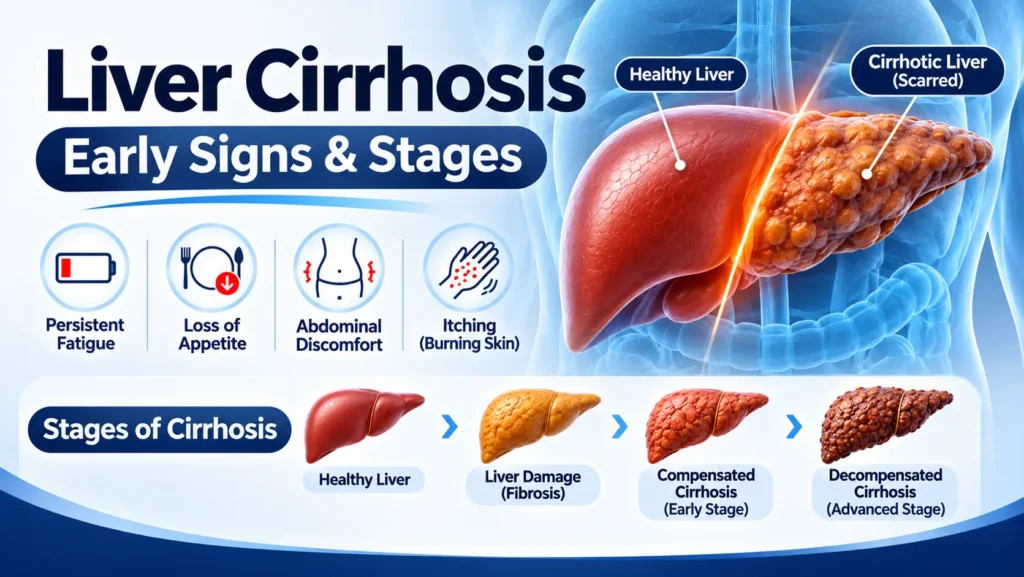
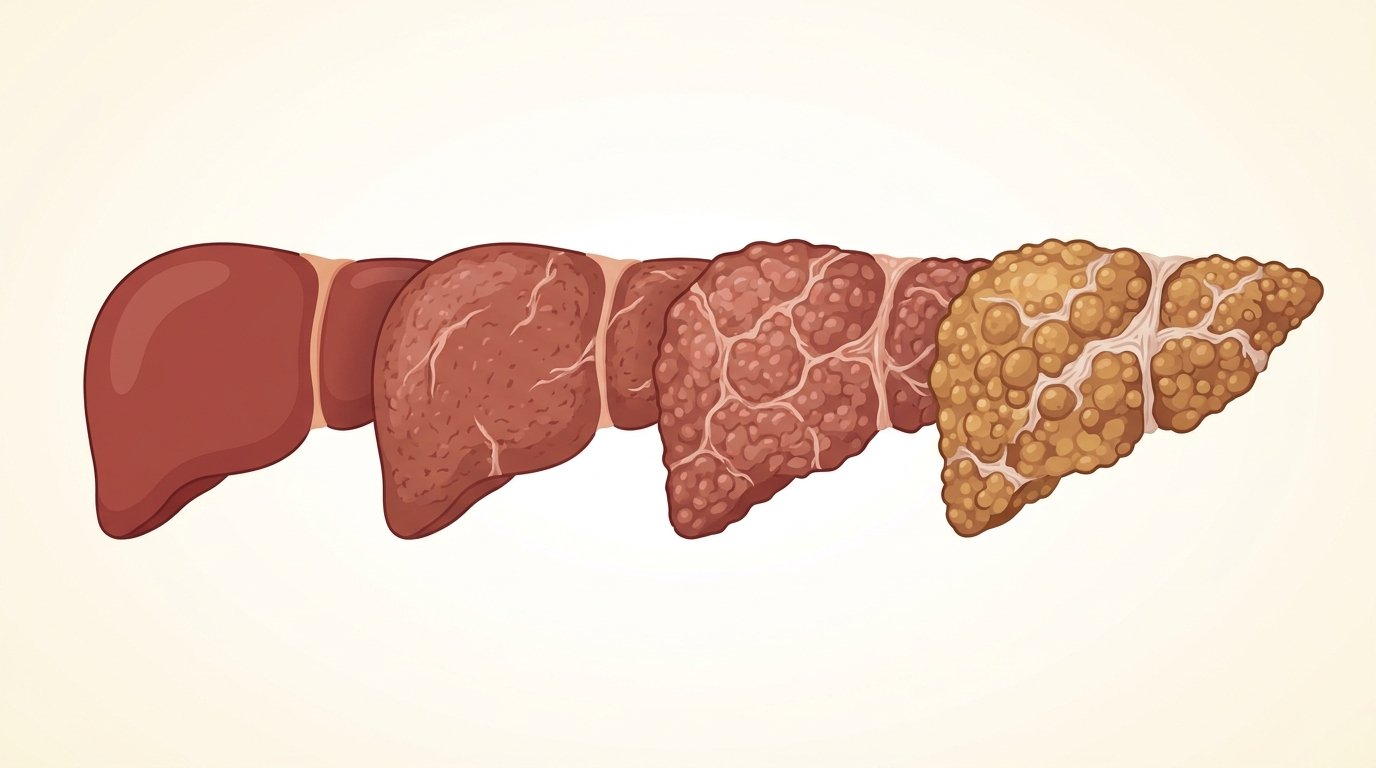
Cirrhosis means the liver has become extensively scarred. Healthy liver tissue is gradually replaced by stiff scar tissue (fibrosis), which blocks blood flow through the liver and impairs its many functions — filtering blood, producing proteins, aiding digestion, and fighting infection. Unlike early liver injury, established cirrhosis cannot be fully reversed — but its progression can often be stopped by treating the underlying cause, which is why early detection matters so much.
What Causes Cirrhosis in Pakistan?
The leading causes here differ somewhat from Western countries:
- Chronic hepatitis B and C: long-standing viral infection is the commonest cause of cirrhosis in Pakistan. Decades of silent inflammation gradually scar the liver.
- Fatty liver disease: a fast-rising cause, driven by diabetes, obesity, and lifestyle changes — inflammation from severe fatty liver can progress to cirrhosis.
- Alcohol: less common than in the West, but a significant cause in those who drink heavily over many years.
- Autoimmune and bile duct diseases: less common, but important and treatable when identified.
- Iron or copper overload disorders: rare genetic causes.
In many patients, more than one factor contributes — for example, hepatitis C plus fatty liver plus diabetes. Each factor addressed is damage prevented.
Early Liver Cirrhosis Symptoms: The Subtle Phase
Early cirrhosis — what doctors call compensated cirrhosis — often causes no symptoms at all. The liver compensates remarkably well. When early liver cirrhosis symptoms do appear, they are vague and easily blamed on other things:
- Persistent fatigue and reduced stamina
- Loss of appetite, mild nausea
- Vague upper abdominal discomfort
- Unexplained itching
- Easy bruising or prolonged bleeding from small cuts
- Reddened palms or small spider-like blood vessels on the skin
- Slight swelling of the ankles by evening
Because these are non-specific, cirrhosis is most often discovered not through symptoms but through tests: abnormal liver function tests, low platelet counts, an ultrasound showing a coarse or shrunken liver, or a fibroscan showing high stiffness. Anyone with chronic hepatitis B or C, long-standing fatty liver with inflammation, or persistent abnormal liver tests should have their liver properly staged — waiting for symptoms means waiting too long.
Stages of Cirrhosis: Compensated vs Decompensated
Doctors divide cirrhosis into two broad phases:
Compensated cirrhosis
The liver is scarred but still performing its essential functions. There may be no symptoms. With treatment of the underlying cause (curing hepatitis C, suppressing hepatitis B, reversing fatty liver factors, stopping alcohol), progression can often be halted — and the outlook can be good for many years. Regular monitoring (typically ultrasound and blood tests every six months) watches for complications and liver cancer, which is curable when caught tiny.
Decompensated cirrhosis
The liver can no longer keep up, and complications appear:
- Ascites: fluid accumulation in the abdomen — the belly swells.
- Variceal bleeding: enlarged veins in the food pipe or stomach that can bleed suddenly and dangerously.
- Hepatic encephalopathy: confusion, excessive sleepiness, or personality changes from toxins the liver can no longer clear.
- Jaundice: yellowing of eyes and skin.
- Kidney dysfunction and increased infection risk.
Decompensation is serious and needs specialist care — but even here, treatment of the cause, management of complications, and in selected cases liver transplantation evaluation can extend and improve life. The goal of all cirrhosis care is simple: keep compensated patients compensated.
How Cirrhosis Is Diagnosed and Monitored
- Blood tests: liver function, platelets, clotting, albumin — patterns suggest scarring.
- Ultrasound: liver texture, size, spleen enlargement, fluid.
- Fibroscan: painless measurement of liver stiffness — the best non-invasive staging tool.
- Endoscopy: checks for varices (swollen veins) in the food pipe that may need preventive treatment. Read more on our endoscopy page.
- Regular surveillance: ultrasound (sometimes with a blood marker) every six months to catch liver cancer early, when it is treatable.
Managing Cirrhosis: What Treatment Involves
There is no tablet that dissolves scar tissue, but modern cirrhosis care is far from passive:
- Treat the cause: cure hepatitis C, suppress hepatitis B with antivirals, manage fatty liver and diabetes aggressively, stop alcohol completely. This is the single most impactful step.
- Prevent bleeding: medicines that lower pressure in the liver circulation, and endoscopic banding of large varices.
- Manage fluid: salt restriction and water-tablet medicines for ascites; therapeutic fluid removal when needed.
- Prevent confusion episodes: medicines that reduce toxin absorption from the gut.
- Vaccination: against hepatitis A and B (if not immune), flu, and pneumonia — infections hit cirrhotic patients harder.
- Medication caution: many common drugs need dose adjustment in cirrhosis; always inform every doctor.
- Diet: adequate protein (the old advice to restrict protein is outdated and harmful), controlled salt, no alcohol, and normal home food — no extreme restrictions.
Patients under regular specialist follow-up do far better than those who drift — monitoring catches varices before they bleed and tumours before they spread.
When to See a Liver Specialist Urgently
- Vomiting blood or black stools (possible variceal bleed — emergency)
- Sudden abdominal swelling
- New confusion, excessive sleepiness, or personality change
- Jaundice that is worsening
- Fever in a known cirrhosis patient
- Markedly reduced urine output with swelling
And non-urgently but importantly: anyone with chronic hepatitis, long-standing abnormal liver tests, or known fatty liver with inflammation should be staged for scarring — that is how compensated cirrhosis gets found in time.
Frequently Asked Questions
Can cirrhosis be reversed?
Established cirrhosis cannot be fully reversed with current medicine, but its progression can often be halted by treating the cause — and liver function can improve meaningfully. This is why early detection at the compensated stage is so valuable: halted cirrhosis and progressive cirrhosis are very different futures.
How long can someone live with cirrhosis?
It varies enormously. Compensated cirrhosis with the cause treated and regular monitoring can remain stable for many years. Decompensated cirrhosis has a more serious outlook, which is why preventing decompensation is the central goal of care. Individual prognosis depends on the cause, severity, and response to treatment — your specialist can give you a clearer picture.
Does everyone with hepatitis develop cirrhosis?
No. Many people with hepatitis B or C never develop cirrhosis, especially with modern treatment. Cirrhosis typically follows decades of untreated active infection. Curing hepatitis C or suppressing hepatitis B dramatically lowers the risk — another reason not to delay testing and treatment.
What diet should a cirrhosis patient follow?
Normal, balanced Pakistani home food with adequate protein (dal, eggs, chicken, dahi), controlled salt if there is fluid retention, and absolutely no alcohol. Avoid unproven herbal “liver cures,” which can cause real harm. Your doctor will tailor advice to your stage — see our FAQs for visit information.
Early Detection Is the Whole Game
Cirrhosis is serious, but it is not the sudden catastrophe many imagine — it is the slow end of a long, detectable, treatable process. Every stage before decompensation is an opportunity: to cure the virus, calm the inflammation, and keep the liver working. If you carry any risk — chronic hepatitis, fatty liver, diabetes with abnormal liver tests — do not wait for obvious liver cirrhosis symptoms. Get staged, get treated, and stay monitored.
Book an appointment with Dr. Muhammad Raza on WhatsApp for liver evaluation and cirrhosis care. Learn more about Dr. Raza or contact the clinic.
This article is for information only and is not a substitute for professional medical advice. Please consult a qualified doctor for diagnosis and treatment.