Best
Gastroenterologist
Quick answer: Jaundice (yarqan) is a symptom, not a disease — it signals an underlying liver, bile duct, or blood problem that needs proper workup, from blood tests to ERCP or biopsy. Dr. Muhammad Raza investigates and treats jaundice causes at his Jail Road, Lahore clinic; consultation Rs. 2,000 (Mon–Sat, 11 AM–6 PM) — WhatsApp 0300-1601390.
Yellowing of the eyes and skin — yarqan — frightens every family it touches, and the worry is understandable: jaundice is never a disease in itself but a visible signal that something is wrong with the liver, the bile ducts, or the blood. If you are seeking jaundice treatment in Lahore, the most important step is not a “jaundice medicine” but finding the cause, because treatment is completely different for a viral infection, a blocked bile duct, or a chronic liver problem.
Dr. Muhammad Raza, Consultant Gastroenterologist & Hepatologist on Jail Road, Lahore, specialises in exactly this detective work: identifying why jaundice appeared and treating the underlying condition.
Jaundice happens when bilirubin — a yellow pigment formed from the breakdown of old red blood cells — builds up in the blood because the liver cannot process it or the bile carrying it cannot drain properly. The yellow colour first shows in the whites of the eyes, then the skin, and urine often turns dark while stools may become pale or clay-coloured.
Itching, nausea, loss of appetite, fatigue, and pain in the upper right abdomen commonly accompany it. But jaundice is a symptom, not a diagnosis — and in our part of the world, people waste precious weeks on herbal “yarqan treatments” while the real cause progresses.
Schedule your diagnostic procedure or clinic visit directly with Dr. Muhammad Raza.

Doctors group causes into three families:
Newborn jaundice is a separate topic handled by paediatricians; this page concerns jaundice in adolescents and adults.

A proper jaundice workup at our clinic follows a logical sequence:
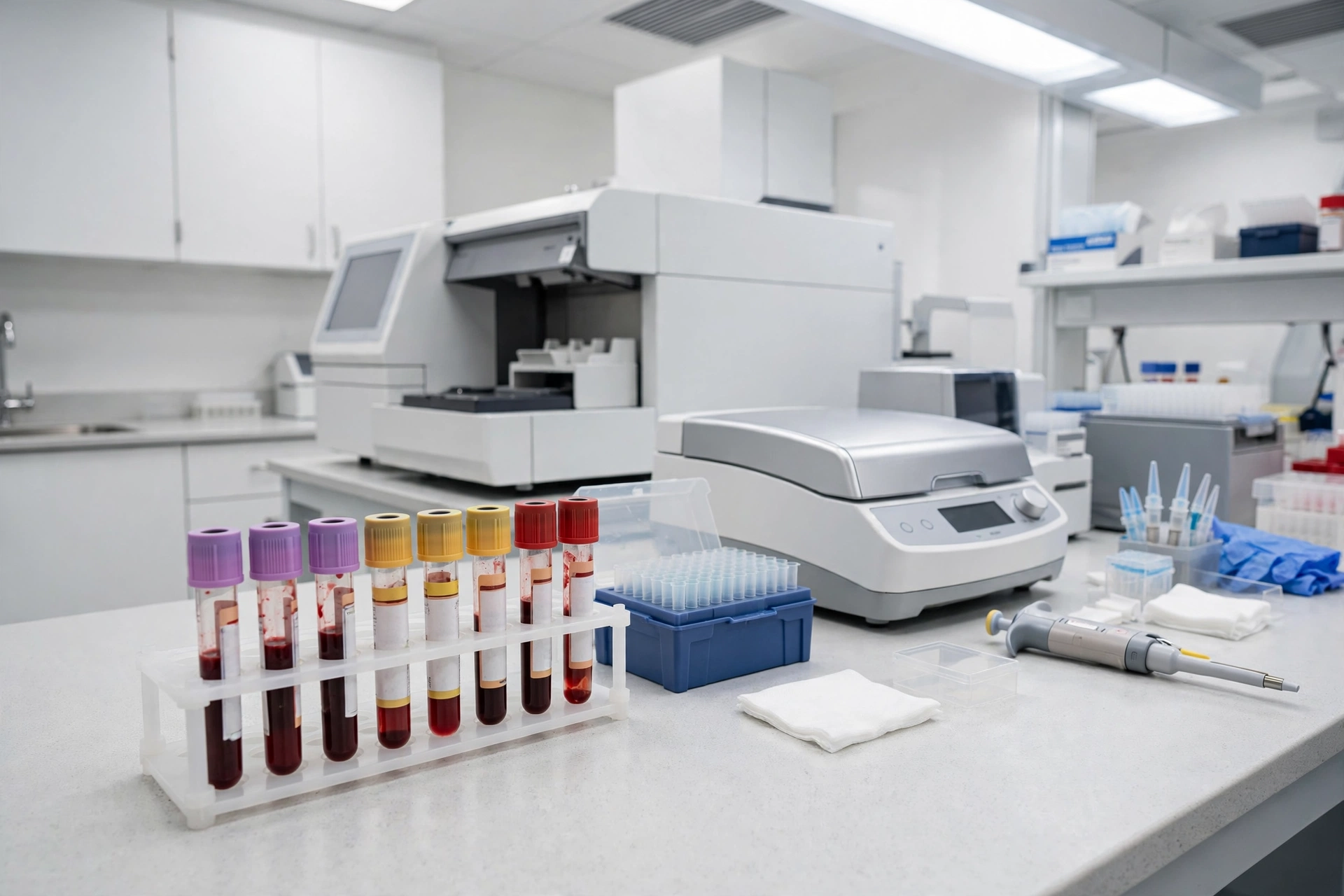
1. Detailed history and examination: Onset, fever, pain pattern, medicines and supplements, alcohol use, exposure risks, and family history narrow the field enormously. 2. Blood tests: Liver function tests (bilirubin fractions, ALT, AST, ALP, GGT), complete blood count, and viral hepatitis markers (A, B, C, E) are the core panel. 3. Ultrasound: The first imaging step — it shows gallstones, bile-duct dilation, liver texture, and masses. 4. Advanced imaging if needed: MRCP or CT when obstruction or a mass is suspected. 5. Endoscopy/ERCP: When a bile-duct stone or blockage is confirmed, ERCP can both diagnose and treat in the same session.
This structured approach is what separates specialist care from guesswork: two patients with identical yellow eyes can need completely different treatments.
There is no single “jaundice syrup” — anyone selling one is not treating your disease.
Seek immediate medical attention — do not wait for a routine appointment — if jaundice comes with:
These signs can indicate life-threatening complications where hours matter.
The consultation fee is Rs. 2,000. Investigations (blood tests, ultrasound) and any procedure such as ERCP are additional and depend on what your case requires — we will give you an exact quote on WhatsApp after reviewing your situation, with no hidden surprises.
Clinic hours are Monday to Saturday, 11:00 AM to 6:00 PM; we are closed on Sundays.
Jaundice sits at the exact intersection of Dr. Raza’s two specialties — gastroenterology and hepatology (liver medicine). He evaluates the full picture, from viral markers to bile-duct imaging, performs ERCP when obstruction is the culprit, and manages chronic liver disease for the long term. Families trust him because he explains what the yellow eyes mean in plain words and never prescribes without a diagnosis.
Yellow eyes deserve answers, not delays. Get a proper workup from a liver specialist.
Not always. While liver diseases are the commonest cause, blocked bile ducts and blood disorders can also cause jaundice. That is why tests — not assumptions — decide the treatment.
Liver function tests, hepatitis viral markers, and an abdominal ultrasound form the core workup. MRCP, CT, or ERCP are added when the initial tests point toward obstruction.
Jaundice itself is not contagious, but its cause can be — hepatitis A and E spread through contaminated food and water, while B and C spread through blood. Your doctor will advise what precautions your household needs.
It depends on the cause. Obstructive jaundice relieved by ERCP can improve within days; viral hepatitis may take several weeks; chronic liver conditions need ongoing management rather than a one-time cure.
Eat light, home-cooked food; avoid alcohol completely and avoid self-medicating with herbal products, which can injure the liver further. Your doctor will give diet guidance specific to your diagnosis.
Access expert consultations and advanced diagnostic endoscopy services tailored for optimal gut health.
Experiencing severe abdominal pain or GI distress? Connect with Dr. Muhammad Raza’s clinical team for prompt medical assistance.

Consultant Gastroenterologist & Hepatologist dedicated to providing compassionate, evidence-based care for complex digestive and liver conditions across Pakistan.
Copyright © 2026 Dr. Muhammad Raza. All Rights Reserved.