Medically reviewed by Dr. Muhammad Raza, Consultant Gastroenterologist & Hepatologist, Lahore.
It is one of the most common — and least discussed — digestive complaints in Pakistan. Constipation affects people of all ages, from children to the elderly, yet embarrassment keeps many from seeking help until the problem is severe. The truth is that most constipation is straightforward to manage, and understanding the causes is the first step toward effective constipation treatment.
What Counts as Constipation?
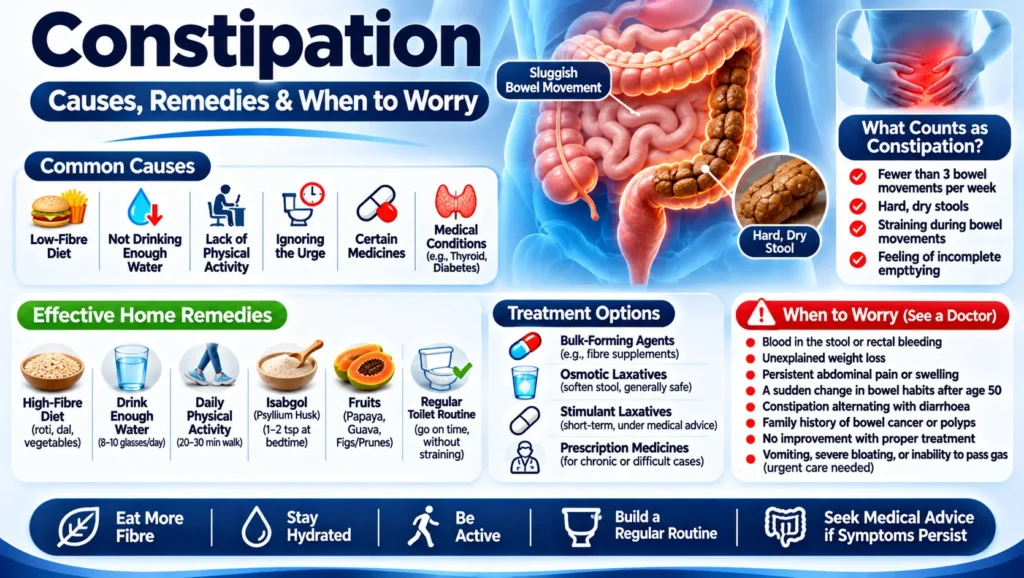
There is no single “normal” — bowel habits vary. Some people go twice a day, others once every two days, and both can be normal. Doctors generally define constipation as having fewer than three bowel movements per week, or regularly experiencing hard, dry stools, straining, and a feeling of incomplete emptying.
Occasional constipation — during travel, a change in routine, or a few days of poor eating — is normal and resolves on its own. It becomes a concern when it persists for weeks, requires constant straining, or starts affecting your daily comfort and routine.
Common Causes of Constipation in Pakistan
Our modern lifestyle has made constipation increasingly common. The leading causes I see in practice include:
- Low-fibre diet: Refined flour (maida), white bread, bakery items, and fast food have replaced traditional high-fibre foods in many urban diets. Fibre adds bulk and softness to stool.
- Not drinking enough water: Especially in summer and among people who work outdoors or in non-air-conditioned spaces, dehydration hardens the stool.
- Lack of physical activity: Long hours sitting — at a desk, in a shop, or driving — slows bowel movement.
- Ignoring the urge: Busy schedules, shared washrooms, or the habit of “holding it in” trains the bowel to become sluggish.
- Medicines: Certain painkillers, iron supplements, some blood pressure medicines, and antacids containing aluminium or calcium can cause constipation.
- Changes in routine: Travel, Ramadan schedule changes, illness, or stress commonly trigger temporary constipation.
- Medical conditions: Thyroid problems, diabetes, and neurological conditions can all slow the bowel. Chronic constipation in older adults deserves evaluation.
Home Remedies That Actually Work
For simple constipation, home measures are genuinely effective — and they form the base of constipation treatment even when medicines are needed.
Eat more fibre — the Pakistani way
Aim for plenty of fibre daily from familiar foods: whole-wheat (atta) roti instead of white naan, dal and chickpeas in moderate portions, vegetables like bhindi, loki, and palak, and fruits like papaya, guava (amarood), pears, and prunes (aaloo bukhara). Isabgol (psyllium husk) — one to two teaspoons in warm water or milk at bedtime — is a traditional remedy with solid evidence behind it. Increase fibre gradually and drink extra water with it, or it can worsen bloating.
Drink enough water
Eight to ten glasses a day is a reasonable target for most adults, more in hot weather. Warm water in the morning works well for many people. Limit excessive chai and coffee, which can be mildly dehydrating.
Move your body
A brisk 20–30 minute walk daily does more for the bowel than most people expect. Abdominal movement stimulates intestinal contractions.
Fix your toilet routine
Go when you feel the urge — do not delay. Many people benefit from sitting with knees slightly raised (a small footstool helps), which straightens the rectal angle and makes passing stool easier. Try to allow unhurried time each morning.
Prunes, papaya, and figs
These traditional foods have natural mild laxative effects. Soaked figs (anjeer) or a few prunes at night are gentle options many patients swear by.
Constipation Treatment: When Home Remedies Are Not Enough
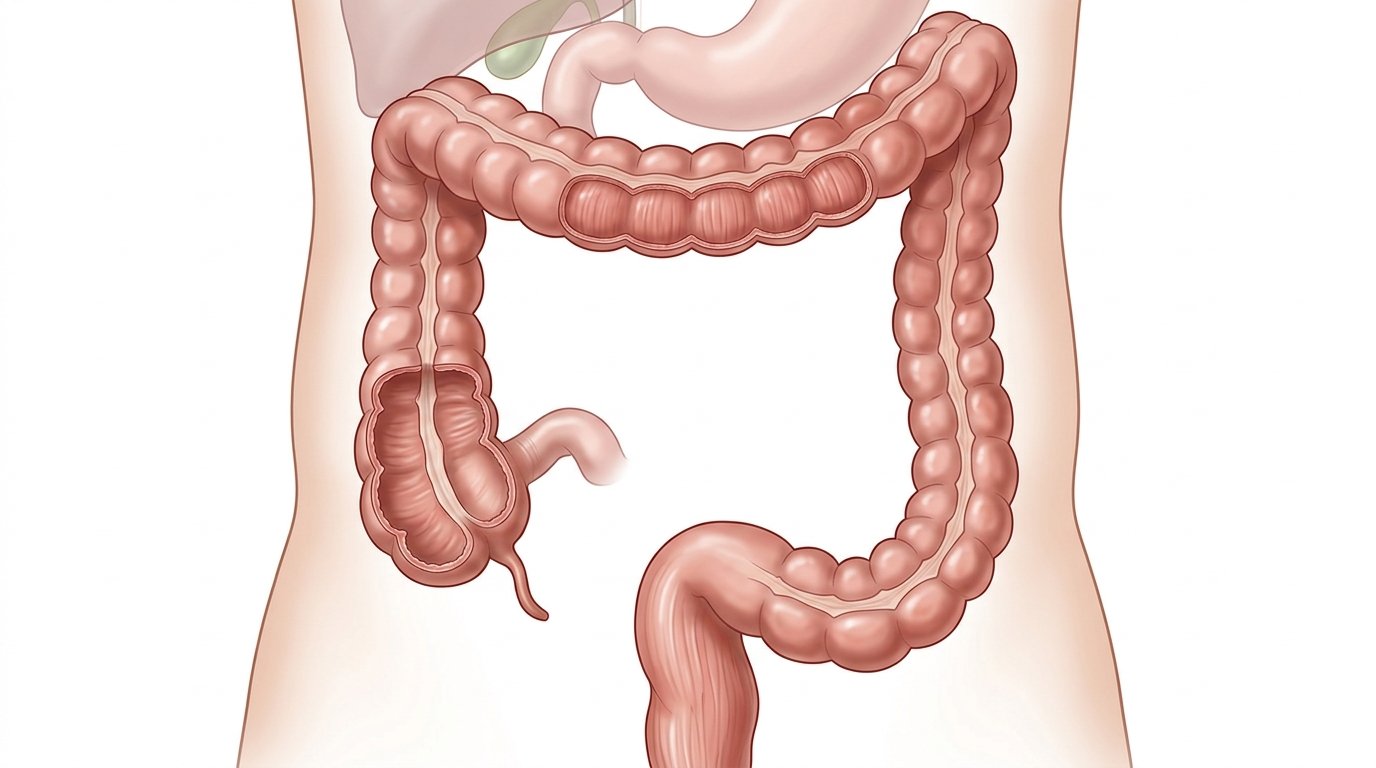
If lifestyle measures do not resolve constipation within a couple of weeks, medical constipation treatment can help. Options your doctor may consider include:
- Osmotic laxatives: medicines that draw water into the bowel, softening the stool gently. These are commonly used and generally safe for longer periods under guidance.
- Bulk-forming agents: fibre supplements that work like dietary fibre in concentrated form.
- Stimulant laxatives: effective for short-term use, but regular unsupervised use can make the bowel dependent — use only as directed by your doctor.
- Prescription medicines: newer medicines that regulate bowel function are available for chronic cases that do not respond to standard laxatives.
What matters is matching the treatment to the cause. Constipation from a sluggish bowel, from pelvic floor dysfunction, or from a medicine side effect each need a different approach — which is why persistent cases deserve a proper evaluation rather than endless trial and error with over-the-counter products.
Constipation in Special Situations
During pregnancy
Constipation is extremely common in pregnancy due to hormonal changes and iron supplements. Fibre, fluids, and gentle walking are the first line; any medicine must be approved by your doctor as many laxatives are not suitable in pregnancy.
In children
Children often withhold stool because of painful previous experiences or reluctance to use school washrooms. Gentle handling, adequate fluids, fibre-rich foods, and never punishing a child for accidents are key. Persistent childhood constipation should be assessed by a doctor.
In the elderly
Slower bowel motility, less activity, less fluid intake, and multiple medicines make constipation very common after 60. It should still be evaluated — new or worsening constipation in older adults can occasionally signal bowel problems that need investigation, including colonoscopy in selected cases.
During Ramadan
Changed meal timings, less water during the day, and heavy fried iftar foods commonly cause constipation in Ramadan. Drinking plenty of water between iftar and sehri, eating fibre-rich foods at both meals, and avoiding excessive fried items usually prevent it.
When to Worry: Red Flags
See a doctor promptly if constipation comes with any of these:
- Blood in the stool or bleeding from the rectum
- Unexplained weight loss
- Persistent abdominal pain or swelling
- A sudden, lasting change in bowel habits after age 50
- Constipation alternating with diarrhoea
- Family history of bowel cancer or polyps
- Constipation that does not improve with proper treatment
- Vomiting, inability to pass gas, and severe bloating (possible obstruction — seek urgent care)
Frequently Asked Questions
Is it safe to use laxatives regularly?
Occasional use is fine, but daily reliance on stimulant laxatives without medical guidance is not advisable — the bowel can become dependent. Osmotic and bulk-forming options are generally safer for longer use, but any regular need for laxatives deserves a doctor’s review to find and treat the underlying cause.
Does isabgol really work for constipation?
Yes — isabgol (psyllium husk) is one of the best-supported natural remedies for constipation. It absorbs water and adds soft bulk to the stool. Take it with plenty of water, start with a small amount, and give it a few days to work. It also helps some people with mild IBS symptoms.
How much water should I drink to avoid constipation?
For most adults, 8–10 glasses daily is a good baseline, increasing in hot weather or with physical work. Fibre only works properly when you drink enough water — increasing fibre without fluids can actually make constipation worse.
When does constipation need a colonoscopy?
Not every case needs one. Your doctor may suggest it if there are red-flag symptoms, if constipation is new and persistent after age 50, or if initial treatment fails. A colonoscopy lets the doctor examine the large intestine directly and rule out polyps or other problems. See our FAQs for more on procedures.
Small Habits, Big Relief
Constipation is rarely serious, but it is always worth taking seriously. In most cases, the fix is refreshingly simple: more fibre from everyday Pakistani foods, enough water, daily movement, and a regular unhurried toilet routine. When those are not enough, modern constipation treatment offers safe, effective options — but the right one depends on the cause, so do not hesitate to get evaluated if the problem persists.
Book an appointment with Dr. Muhammad Raza on WhatsApp to discuss persistent constipation and get a plan that works for you. Learn more about the doctor or contact the clinic directly.
This article is for information only and is not a substitute for professional medical advice. Please consult a qualified doctor for diagnosis and treatment.