Medically reviewed by Dr. Muhammad Raza, Consultant Gastroenterologist & Hepatologist, Lahore.
Hepatitis — inflammation of the liver — is one of the most common yet most overlooked liver problems in Pakistan. Hepatitis B and C in particular often cause no symptoms for years, while slowly damaging the liver. By the time symptoms appear, some patients already have advanced fibrosis or cirrhosis.
The good news: hepatitis C is now curable in most cases, and hepatitis B can be effectively controlled with long-term medical care. The key is testing early and following up with a liver specialist. This guide explains hepatitis care in Lahore — what the different types mean, which tests matter, what treatment involves, and when to see a specialist.
What Is Hepatitis?
Hepatitis means inflammation of the liver. It is most often caused by a virus, but it can also result from alcohol, certain medicines, fatty liver disease, or autoimmune conditions.
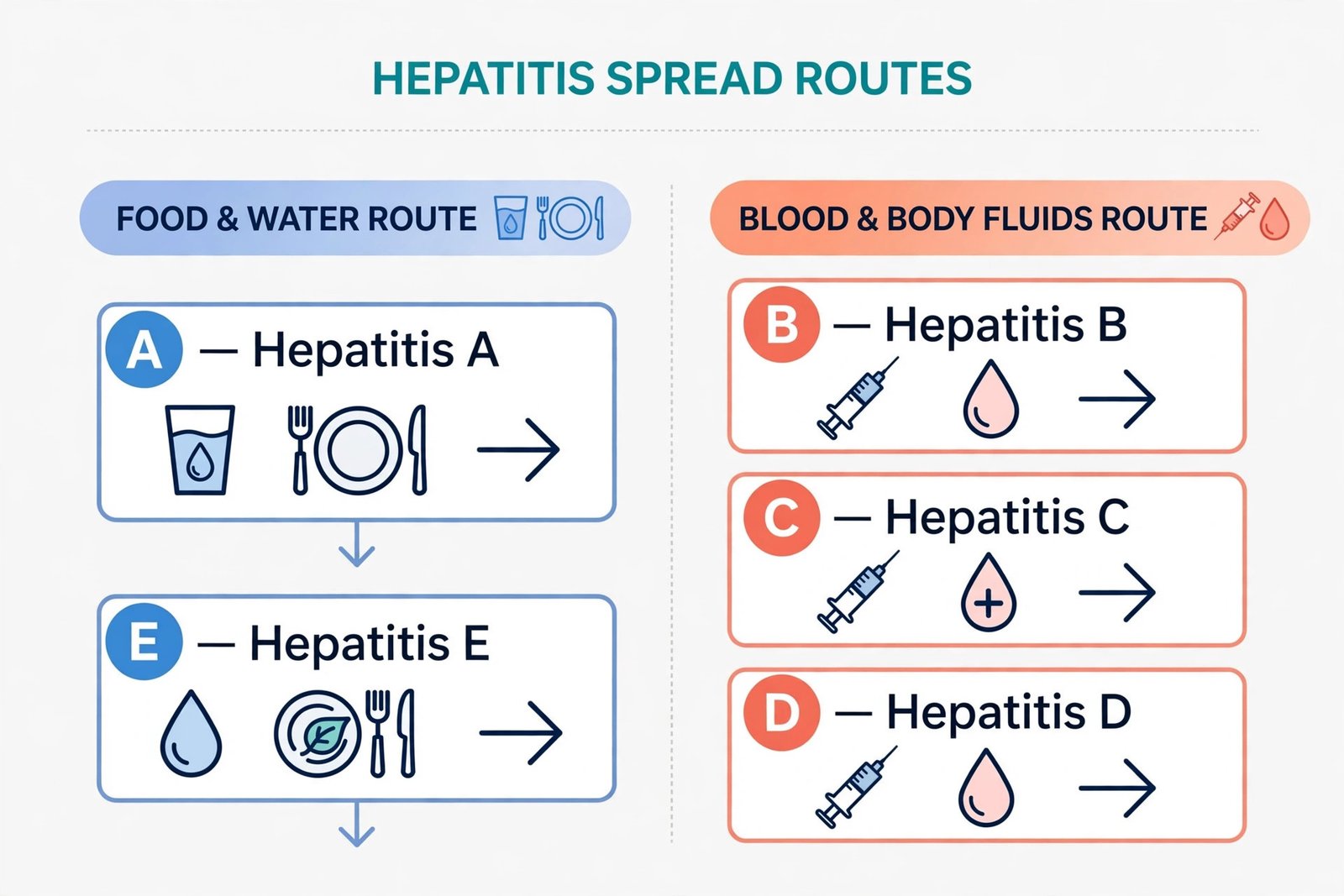
The five main viral types are:
- Hepatitis A and E — usually spread through contaminated food or water; typically short-term (acute) infections that resolve on their own.
- Hepatitis B, C and D — spread through blood and body fluids; these can become long-term (chronic) infections and are the main cause of cirrhosis and liver cancer worldwide.
In Pakistan, hepatitis B and C carry a particularly heavy burden, which is why testing and vaccination matter so much here.
Symptoms: Why Hepatitis Often Goes Unnoticed
Many people with chronic hepatitis B or C feel completely well. When symptoms do appear, they may include:
- Persistent tiredness or weakness
- Loss of appetite or nausea
- Pain or discomfort in the upper right side of the abdomen
- Dark urine or pale stools
- Yellowing of the eyes or skin (jaundice)
- Itching or easy bruising
Because these symptoms are vague — or absent — hepatitis is often found only when a blood test is done for another reason. Anyone with risk factors should not wait for symptoms before getting tested.
Who Should Get Tested?
Testing is especially important if you:
- Have a family member with hepatitis B or C
- Received a blood transfusion before modern screening, or have had unsterile injections, dental work, or tattooing/piercing
- Are a healthcare worker or have regular exposure to blood
- Have abnormal liver blood tests (raised ALT/AST)
- Have diabetes, fatty liver, or another chronic liver condition
- Are pregnant (hepatitis B screening protects the newborn through timely vaccination)
A simple blood test is the first step — it is quick, widely available in Lahore, and it can change the course of your liver health.
Diagnosis: Which Tests Matter?
A liver specialist will usually start with blood tests and build from there:
- HBsAg — shows active hepatitis B infection
- Anti-HCV — shows exposure to hepatitis C; a positive result needs confirmation
- HCV RNA (viral load) — confirms active hepatitis C and guides treatment
- Liver function tests (LFTs) — ALT, AST, bilirubin and albumin show how the liver is coping
- Ultrasound and FibroScan — assess liver texture, fat, and stiffness (fibrosis) without a biopsy
- Additional tests — hepatitis D, HIV screening, and vaccination status may be checked where relevant
Together, these tests answer three questions: which virus is present, how active it is, and how much damage the liver has already sustained. That is what treatment decisions are based on.
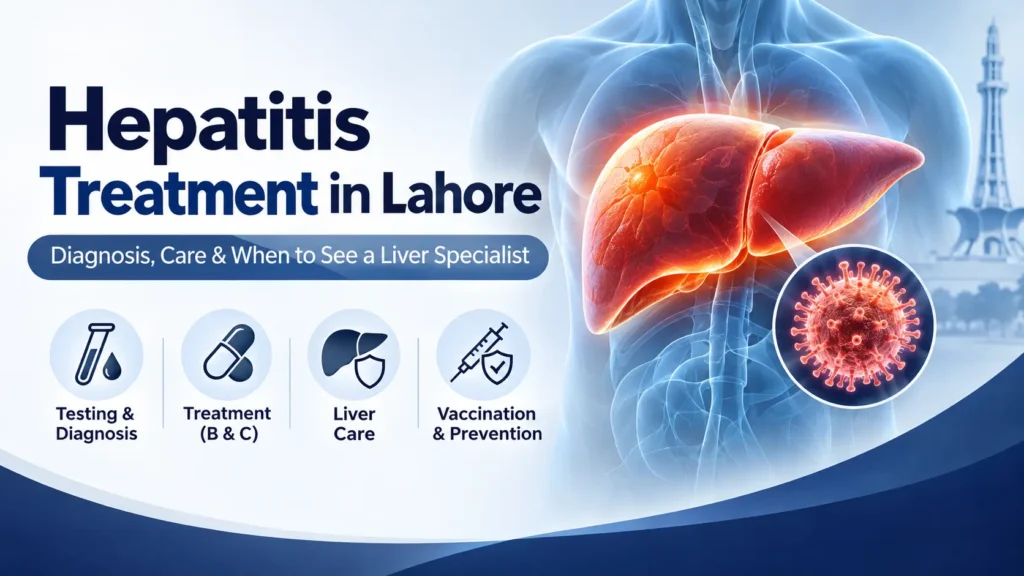
Hepatitis Treatment in Lahore: What to Expect
Treatment depends on the type of hepatitis — there is no single “hepatitis medicine” for all types.
Hepatitis C: curable in most cases
Modern direct-acting antiviral (DAA) medicines cure hepatitis C in over 95% of patients, usually with a course of 8–12 weeks of tablets. Side effects are generally mild. After successful treatment, follow-up testing confirms the virus is gone (sustained virologic response), and liver monitoring continues depending on how much fibrosis was present.
Hepatitis B: controlled, not yet cured
Hepatitis B cannot yet be cured with medicines, but it can be controlled very effectively. Many patients need monitoring only, while others benefit from long-term antiviral tablets (such as tenofovir or entecavir) that suppress the virus, protect the liver, and greatly reduce the risk of cirrhosis and liver cancer. Regular follow-up is essential, even when you feel well.
Hepatitis A and E: usually supportive care
These types usually resolve on their own with rest, hydration, and avoiding alcohol and unnecessary medicines. Hospital care is needed only in severe cases. Vaccination prevents hepatitis A, and hepatitis B vaccination is one of the most effective preventive tools available.
Care beyond medicines
Good hepatitis care also includes:
- Avoiding alcohol completely
- Reviewing all medicines and supplements with your doctor
- Vaccination against hepatitis A and B where you are not already immune
- Screening family members and household contacts
- Regular monitoring for cirrhosis and liver cancer in chronic cases — early warning signs of cirrhosis should never be ignored (see our guide to early signs of liver cirrhosis)
- Endoscopic surveillance where varices or portal hypertension are a concern (see endoscopy services)
When to Seek Urgent Care
Seek medical attention promptly if you notice:
- Yellowing of the eyes or skin that is worsening
- Confusion, excessive sleepiness, or difficulty concentrating
- Vomiting blood or passing black stools
- Swelling of the abdomen or legs
- Severe abdominal pain or high fever
These can be signs of advanced liver disease or complications that need hospital assessment.
Hepatitis Care at Gastro & Liver Care Clinic, Lahore
At Gastro & Liver Care Clinic by Dr. Muhammad Raza — Consultant Gastroenterologist & Hepatologist, Jail Road, Lahore — hepatitis care is medical, not surgical. Care includes:
- Complete hepatitis testing and liver assessment
- Hepatitis B and C treatment planning and follow-up
- Fibrosis and cirrhosis monitoring
- Vaccination guidance for patients and families
- Endoscopy and ERCP where liver-related complications require them
Clinic hours are Monday to Saturday, 11:00 AM to 6:00 PM (Sunday closed). Consultation fee is Rs. 2,000. For appointments, call or WhatsApp 0300-1601390.
Frequently Asked Questions
Is hepatitis B or C curable?
Hepatitis C is curable in most cases with modern antiviral tablets. Hepatitis B is controllable with long-term medicines and regular monitoring, though not yet curable.
Can I live a normal life with hepatitis?
Yes — with proper treatment and follow-up, most people with hepatitis B or C live full, normal lives. Avoiding alcohol and keeping follow-up appointments are the two most important habits.
Should my family be tested?
Yes. Household members and close contacts of a hepatitis B patient should be tested and vaccinated if not immune. Hepatitis C testing is also recommended for family members with shared risk factors.
How often do I need follow-up?
It depends on your virus, viral load, and liver condition. Stable patients may need checks every 6–12 months; patients on treatment or with cirrhosis need closer follow-up.
Does hepatitis always lead to liver cancer?
No. Most people who are diagnosed early and treated appropriately never develop liver cancer. The risk rises mainly when chronic hepatitis goes undetected and untreated for years — which is exactly why early testing matters.
Disclaimer: This article is for education only and is not a substitute for medical advice. If you have hepatitis or suspect you may, please consult a qualified liver specialist for testing and treatment.